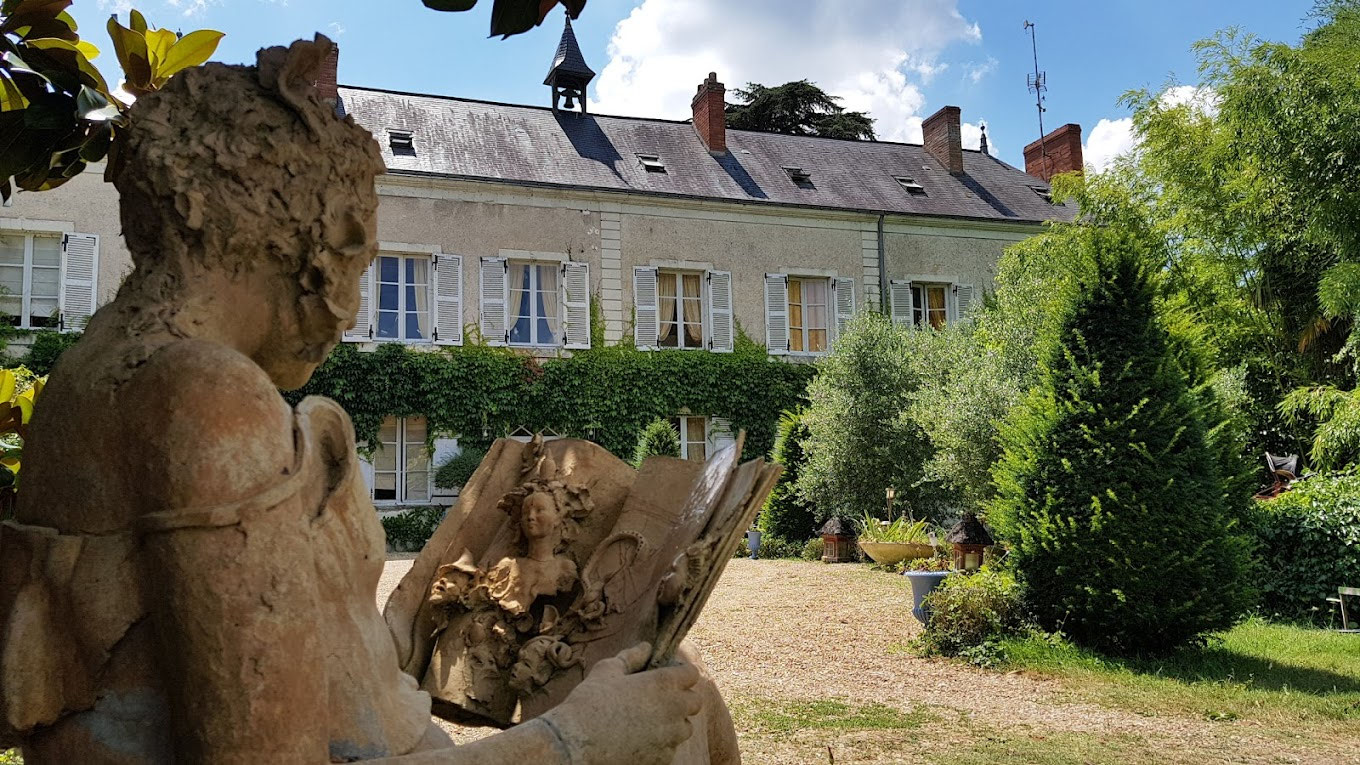
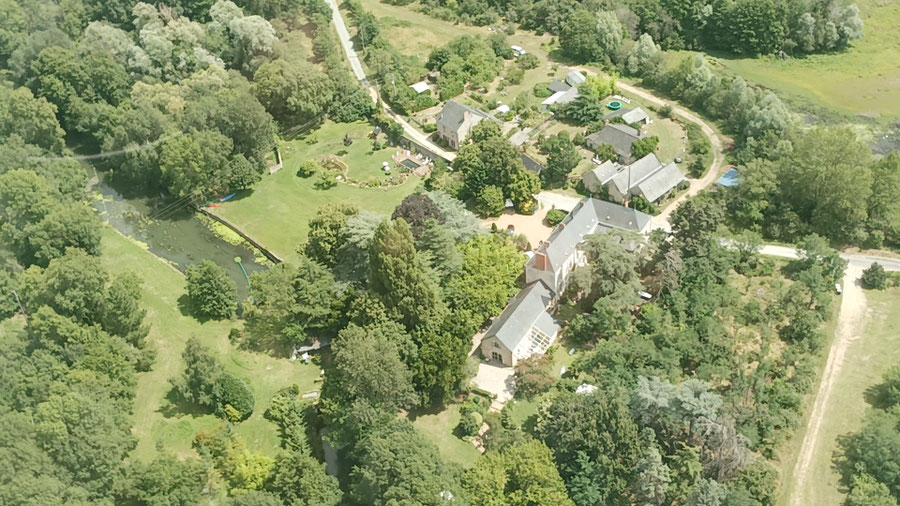
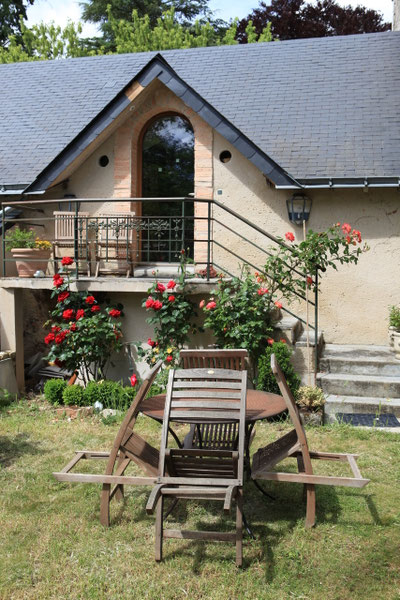
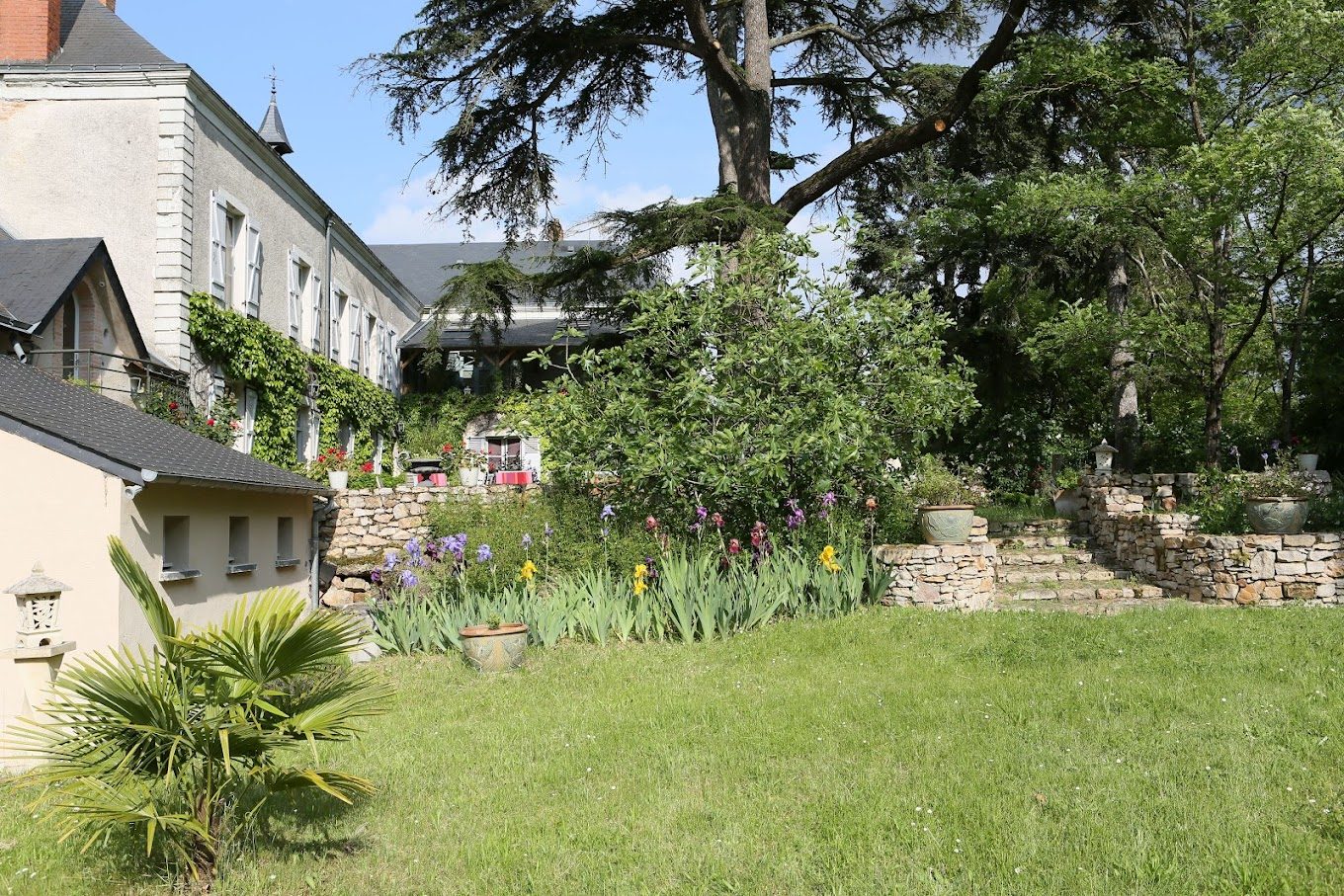
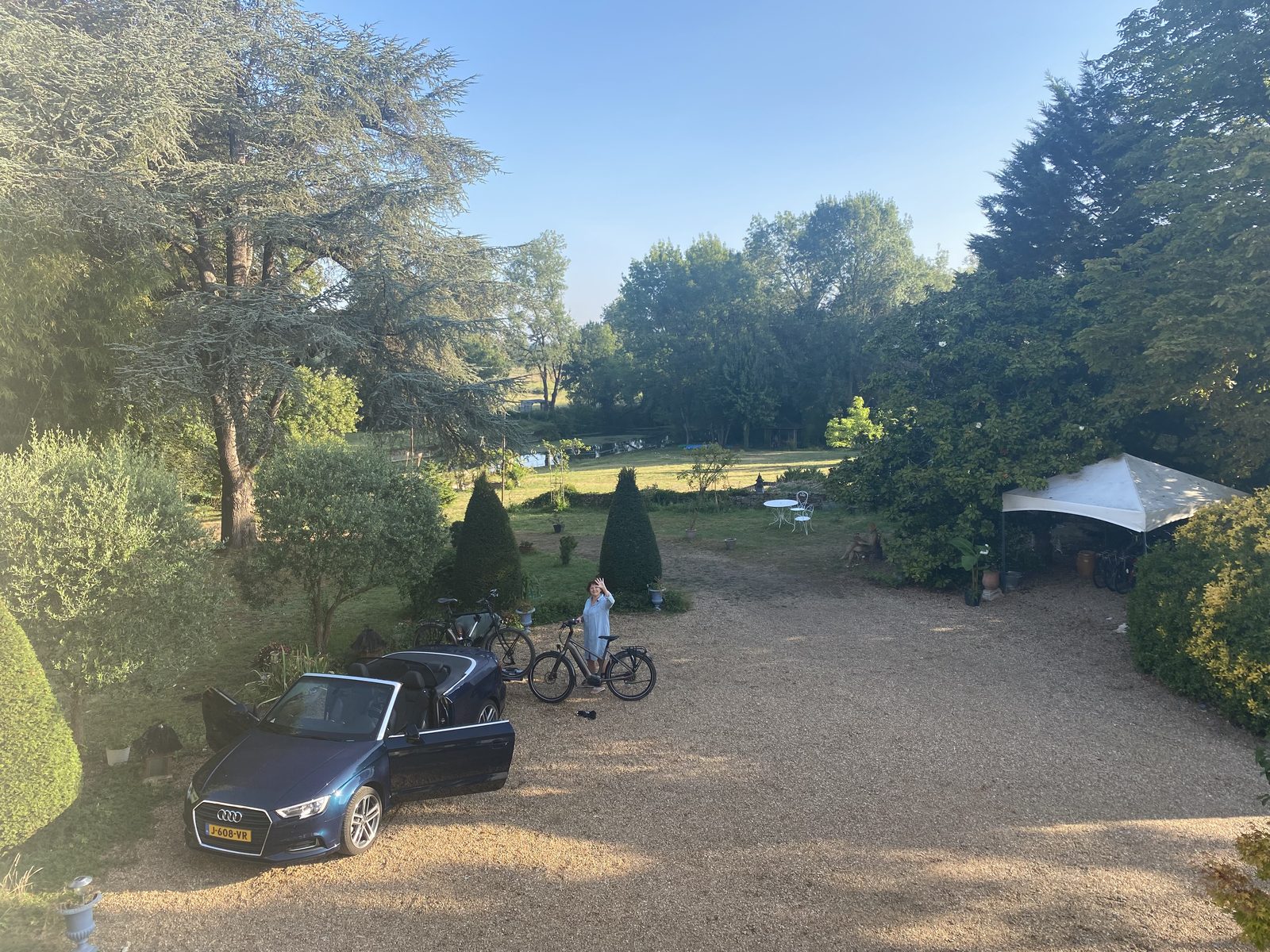
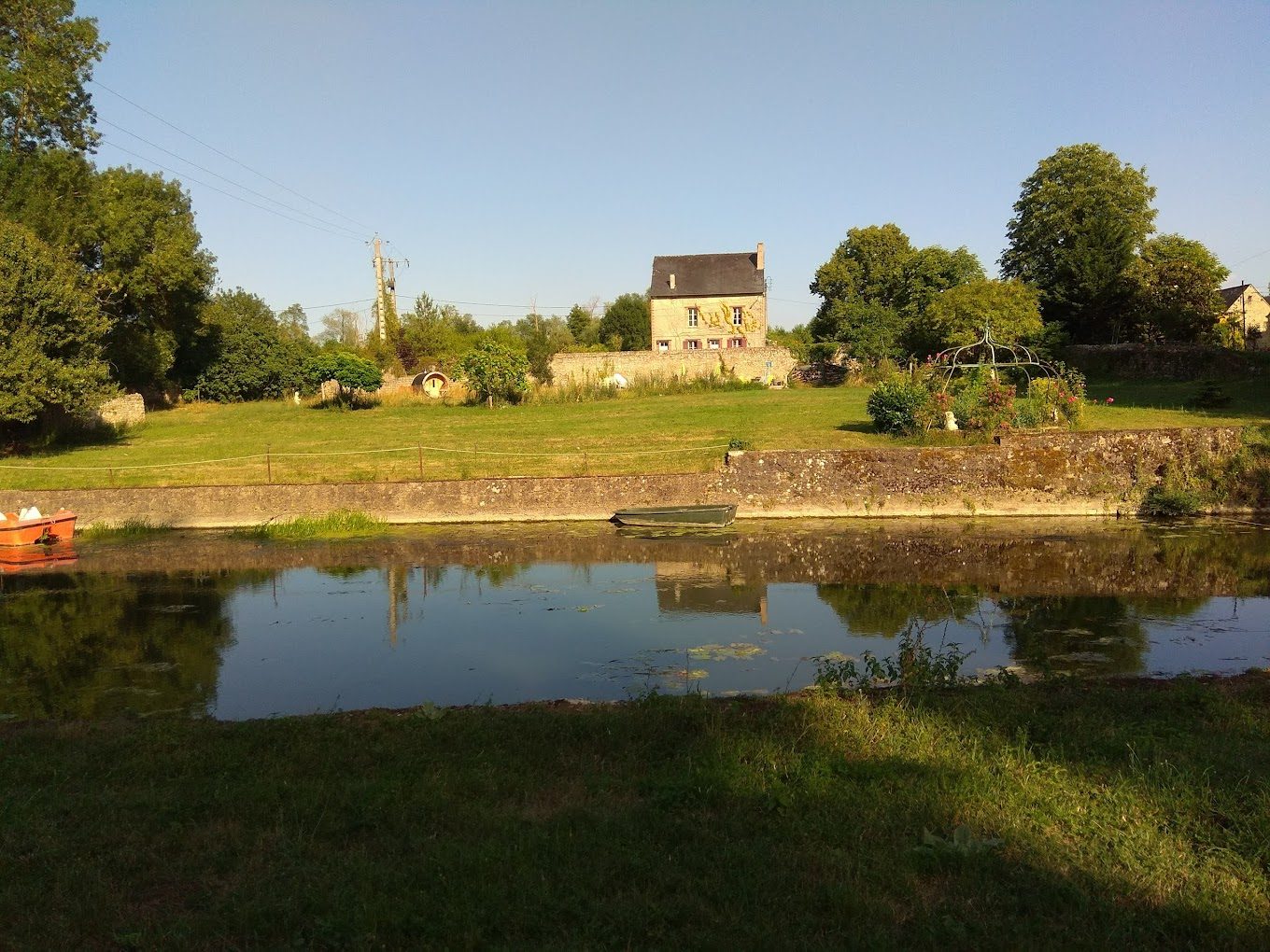
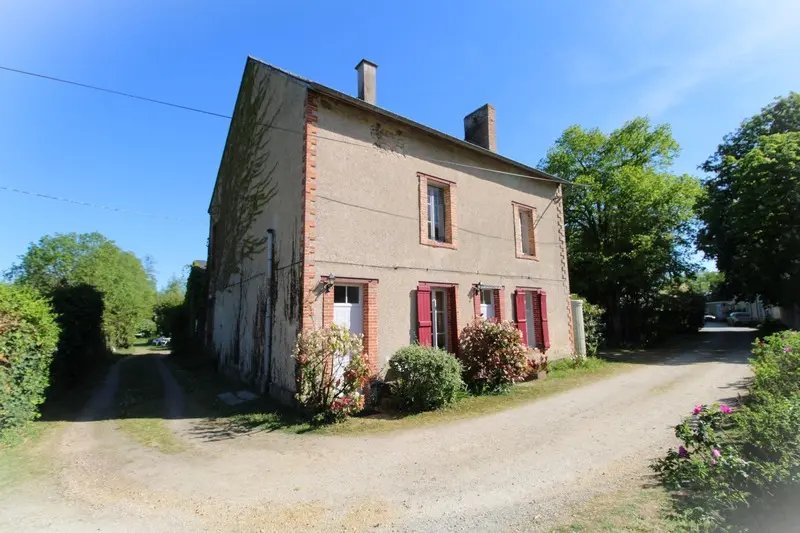
Seiches-sur-le-Loir, Anjou, France — an 1850 manor house at the heart of 400 hectares of private woodland, crossed by the Loir river. A private riverside estate in the Loire Valley, offered for sale.
A place of quiet, crossed by a river — at the heart of four hundred hectares of private woodland.
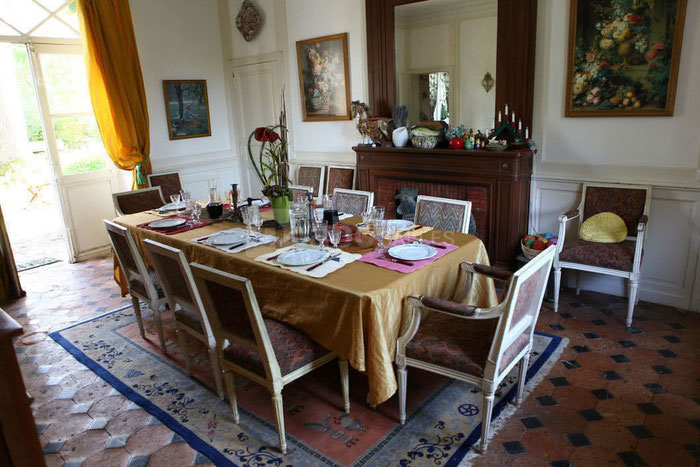
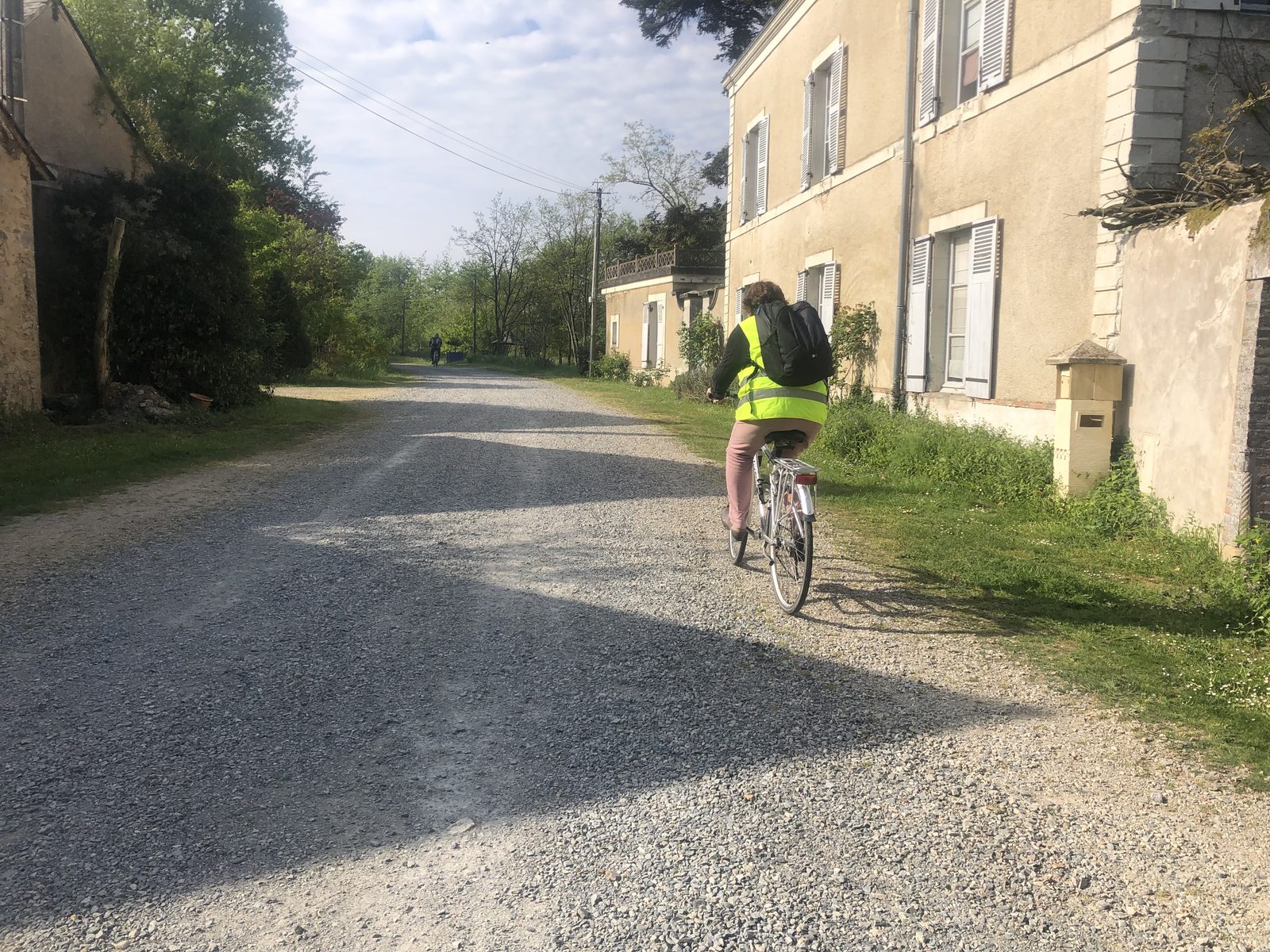
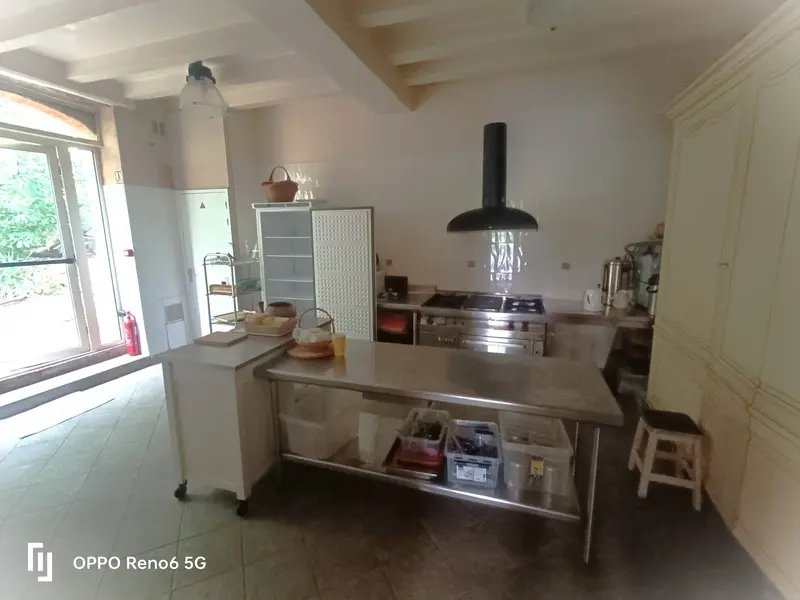
Main house with 15 bedrooms, plus an outbuilding converted into a 90 m² reception hall. A communal lane crosses the hamlet and gives access to cottages and to over 300 m² of further outbuildings with development potential. Set within a bend of the Loir river, inside the départemental forest of Boudré, the estate lies 7 km from Seiches-sur-le-Loir and 27 km from Angers — reachable by TGV from Paris in 1h30.
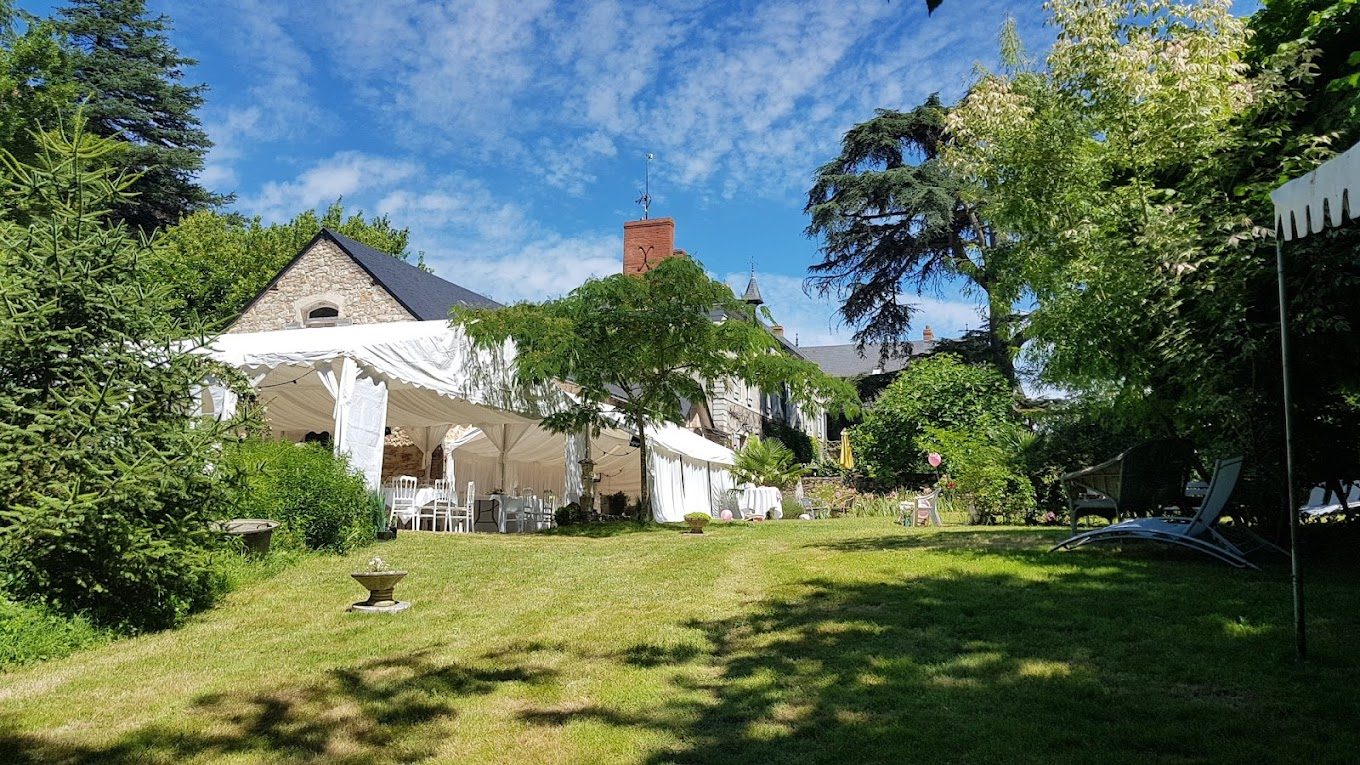
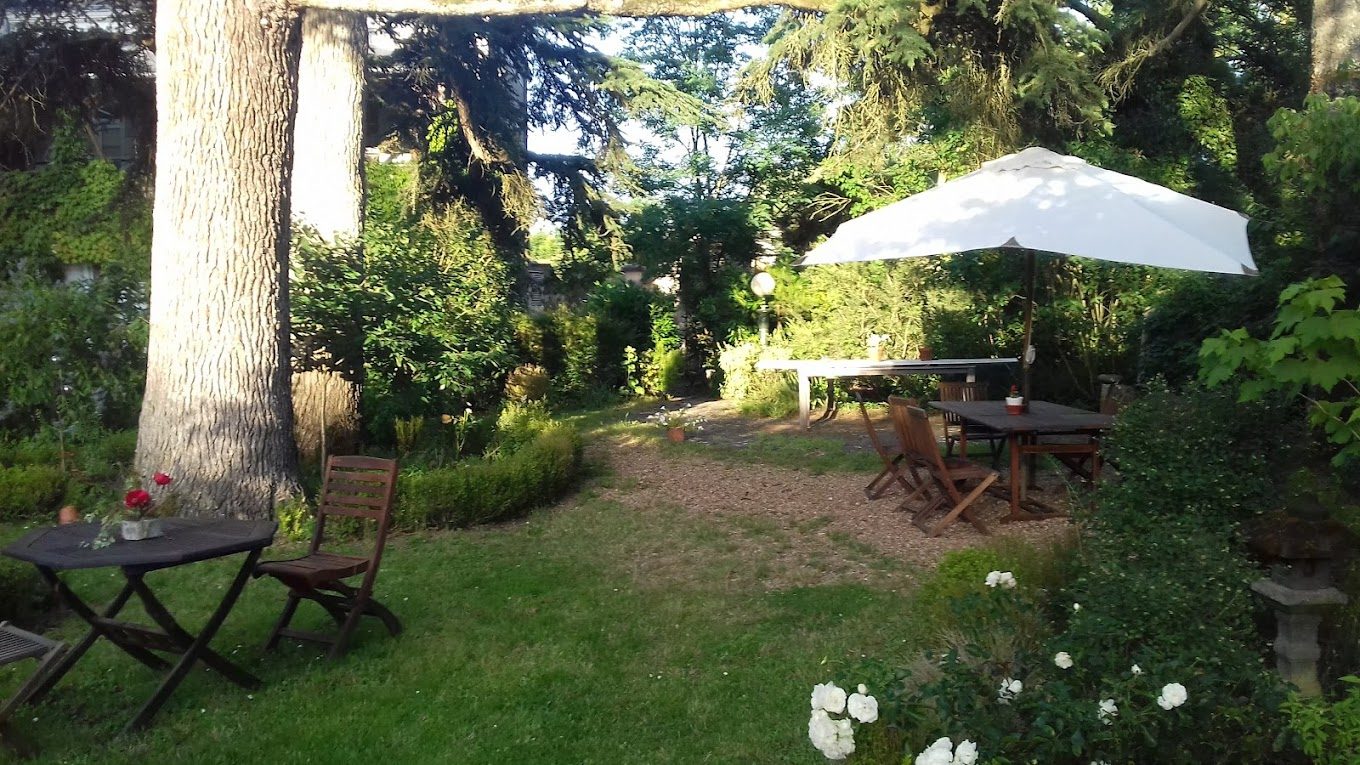
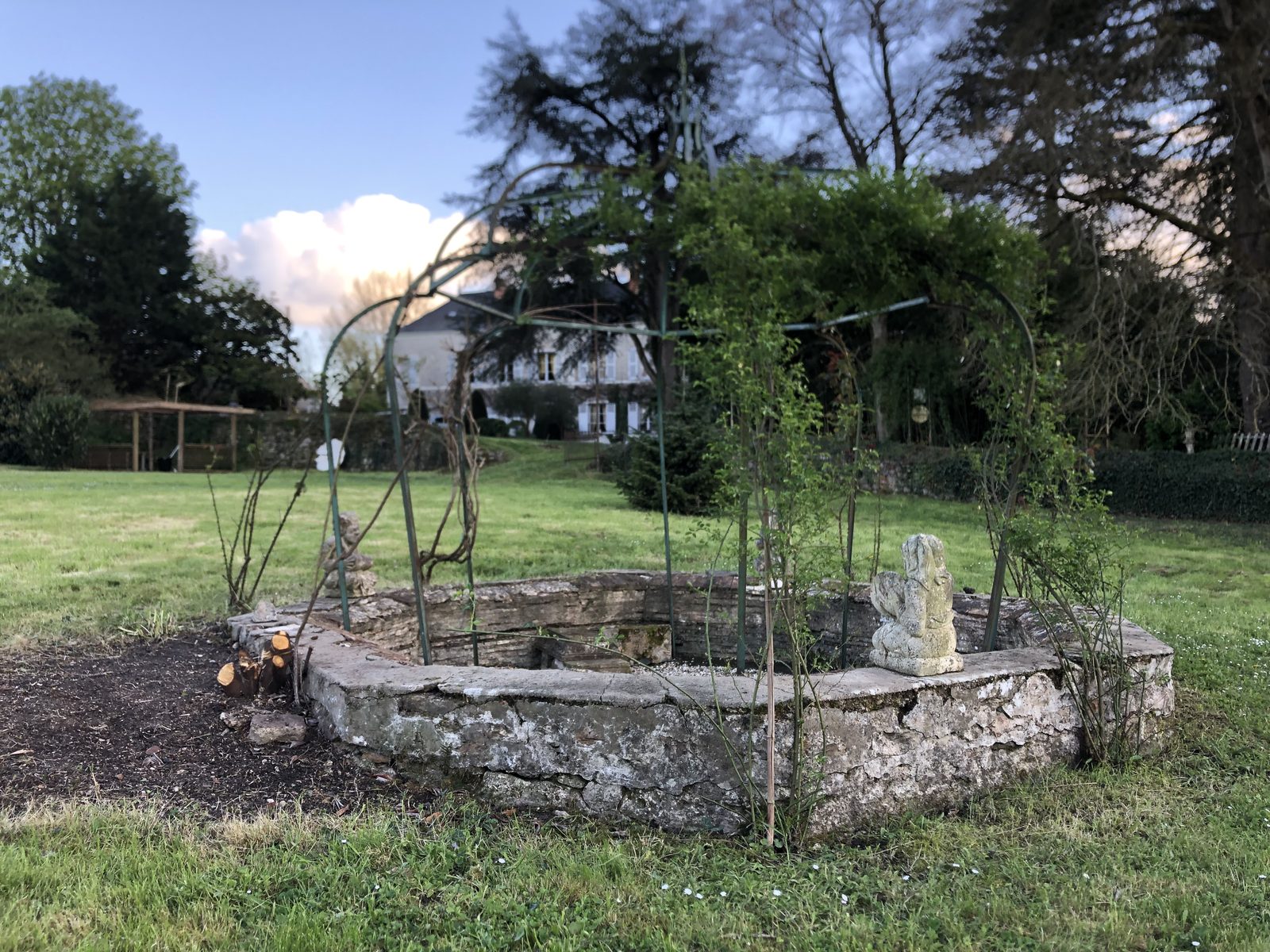
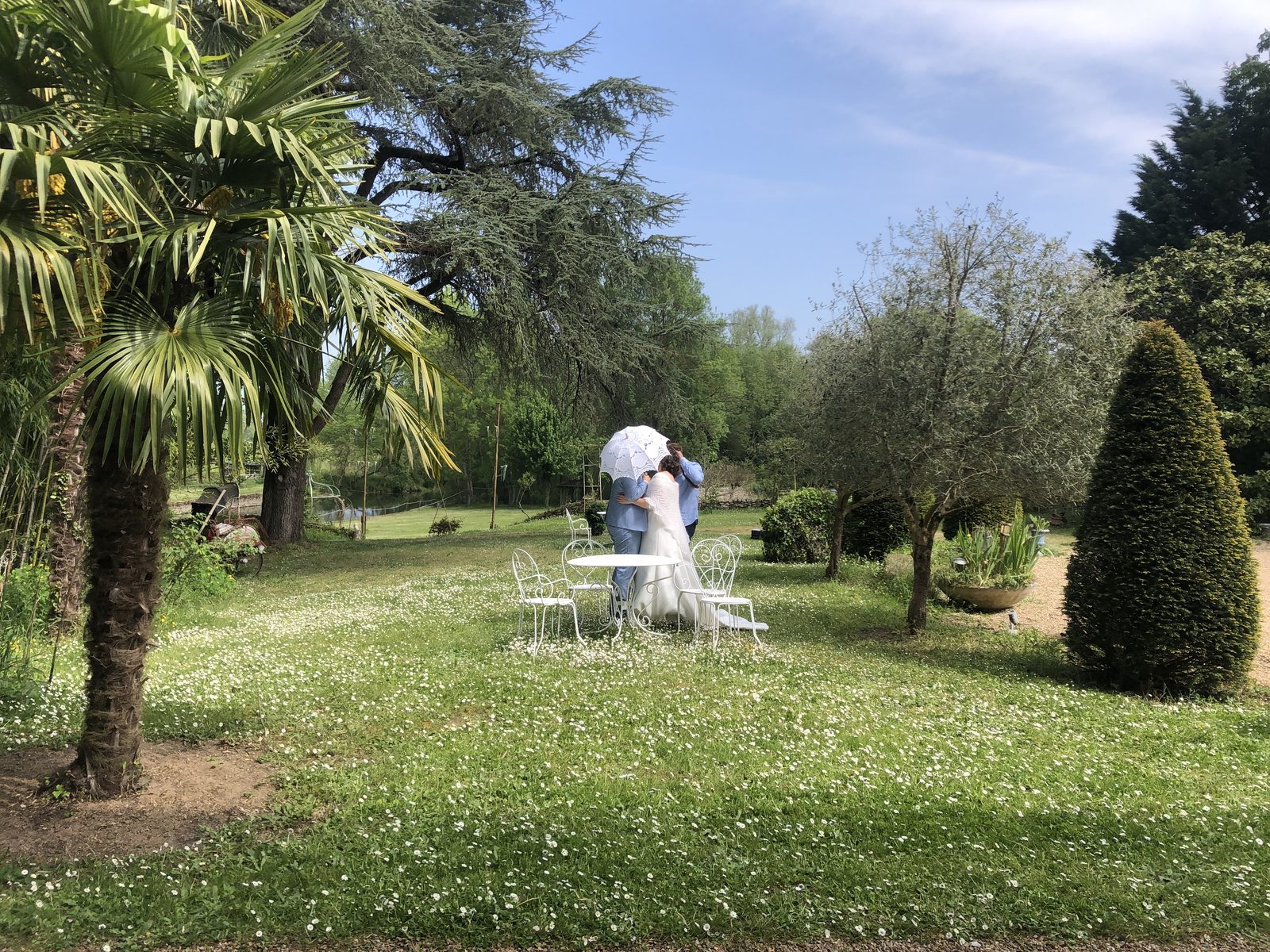
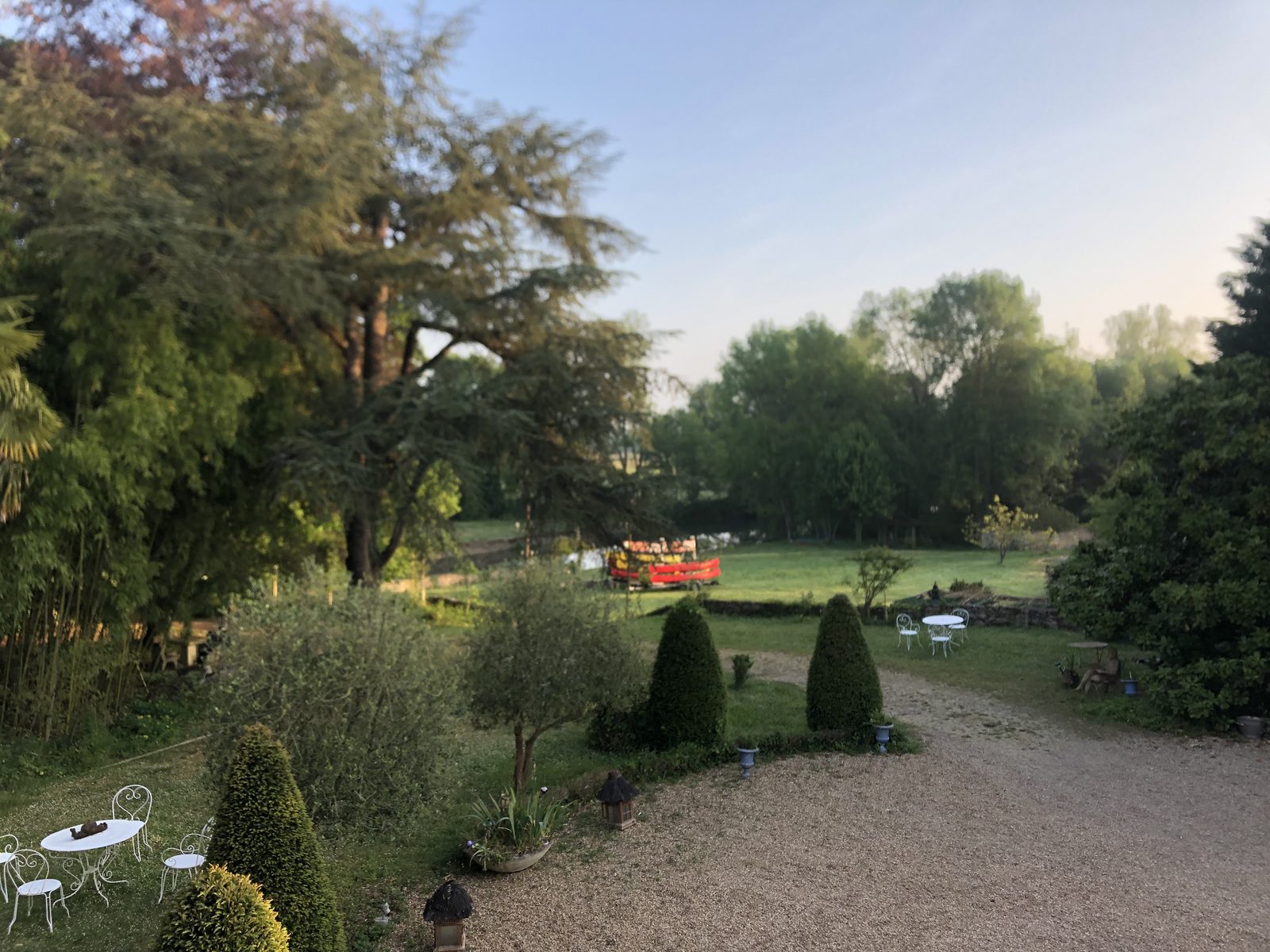
Since 1998, Brigitte and Eric Donon have turned this 1850 manor house into a living property: guest rooms welcoming travellers from around the world, receptions and weddings beneath the park's cedar trees, independent cottages and, more recently, the revival of their own hydroelectric power production.
The Loir river runs along the estate, with a former island — the Boire de Bré — nestled within it. Le Mans and Paris remain within easy reach by train or car, without ever losing that sense of seclusion typical of great riverside properties.
The family now wishes to pass this estate on to a new owner — a family office or a project developer able to carry its story forward, whether by preserving its hospitality activity or unlocking its full development potential.

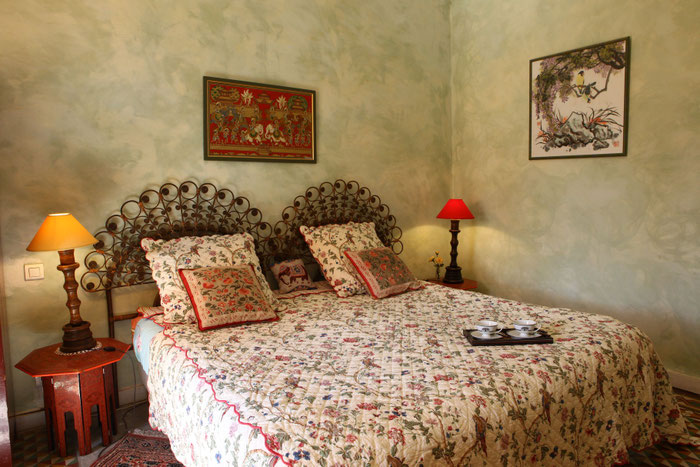
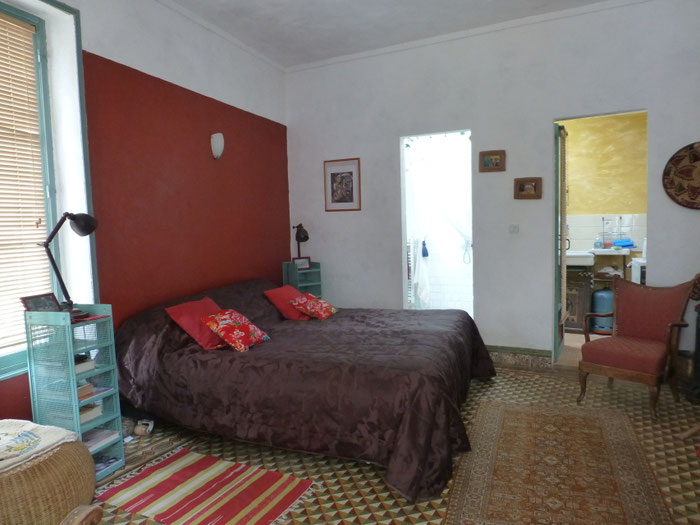
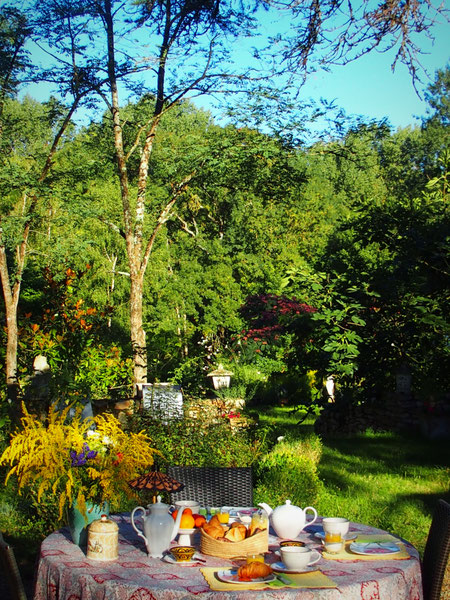
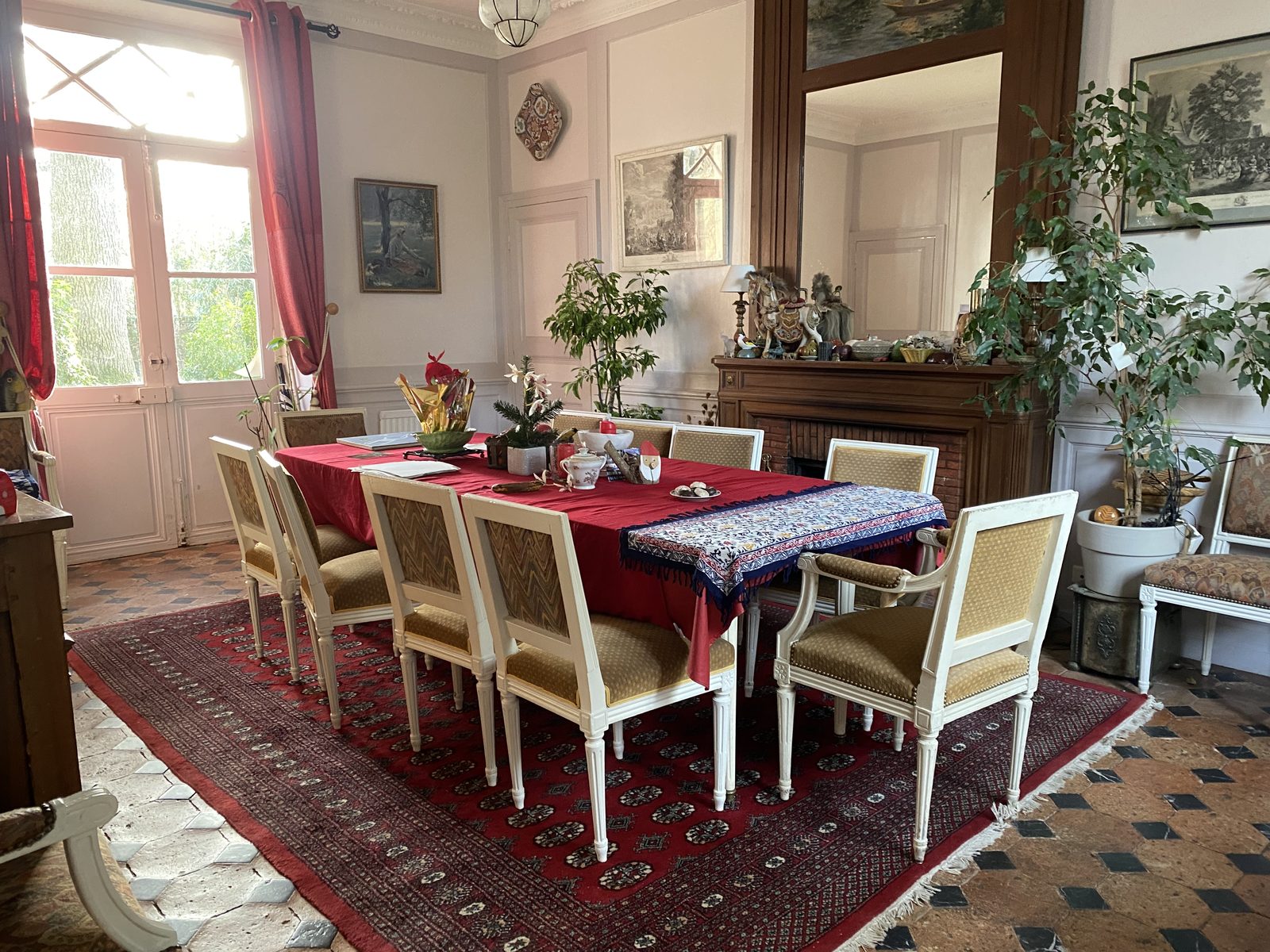
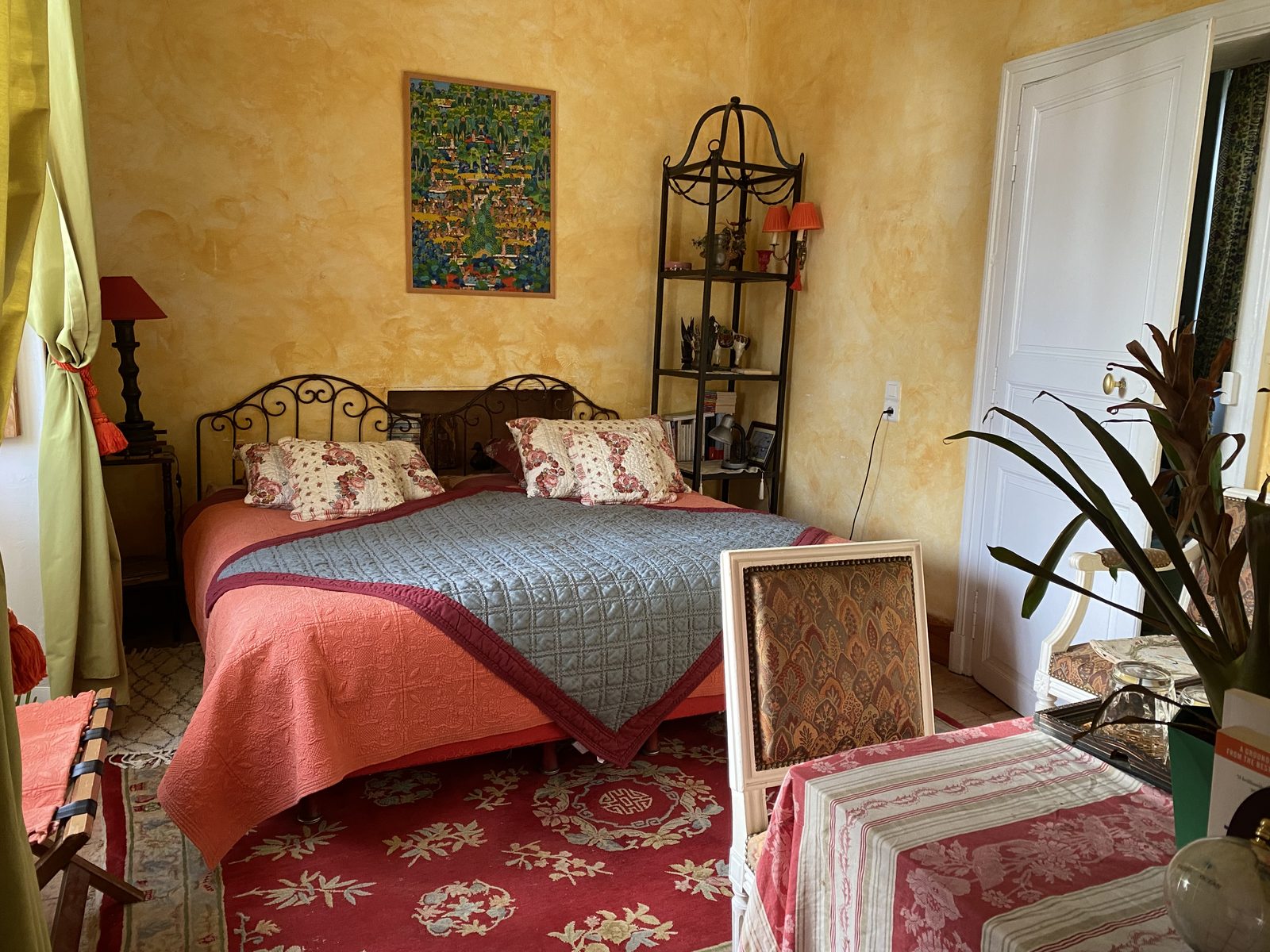
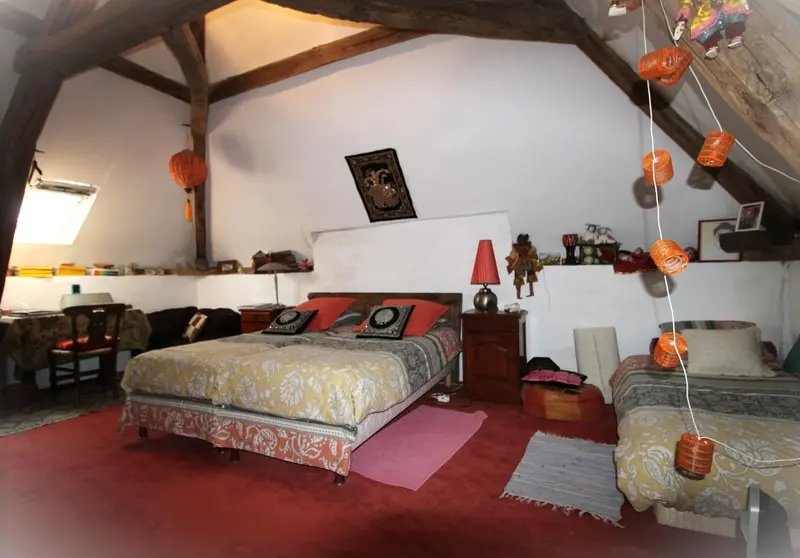
An activity already established — five comfortable, individually decorated rooms with private bathrooms, including one accessible to guests with reduced mobility.
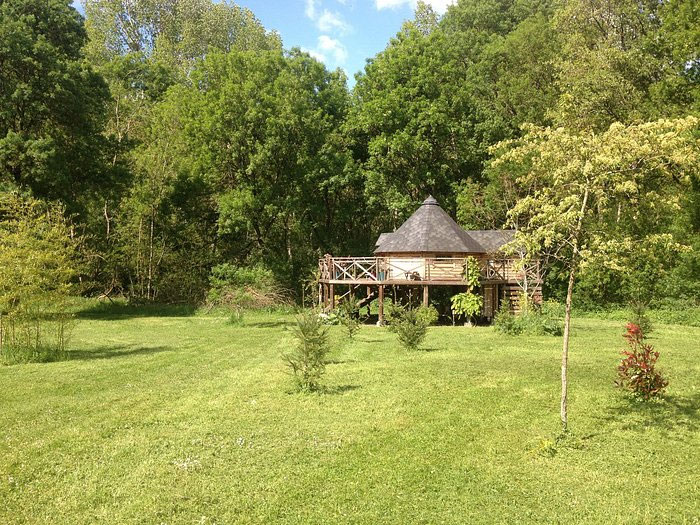
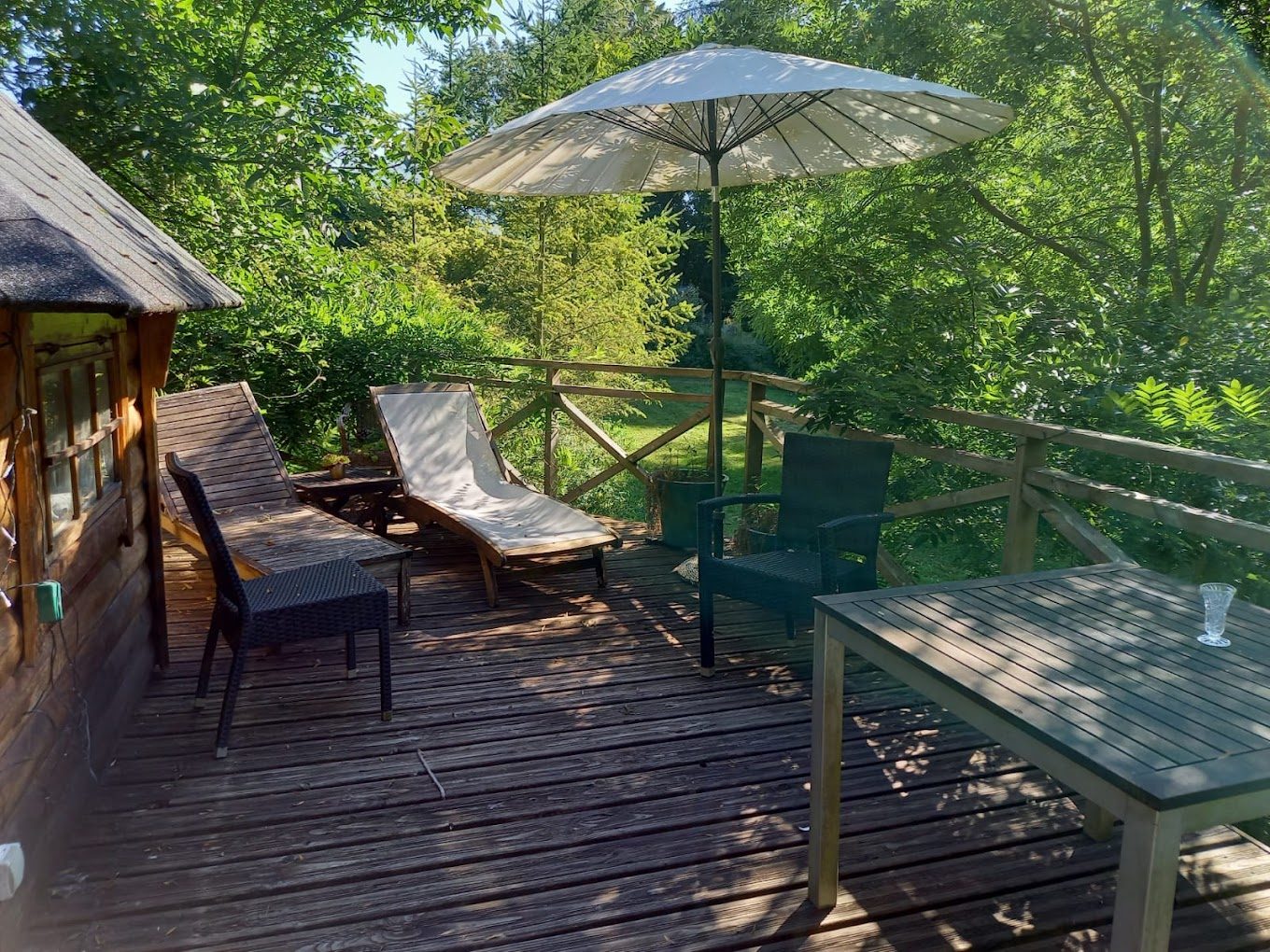
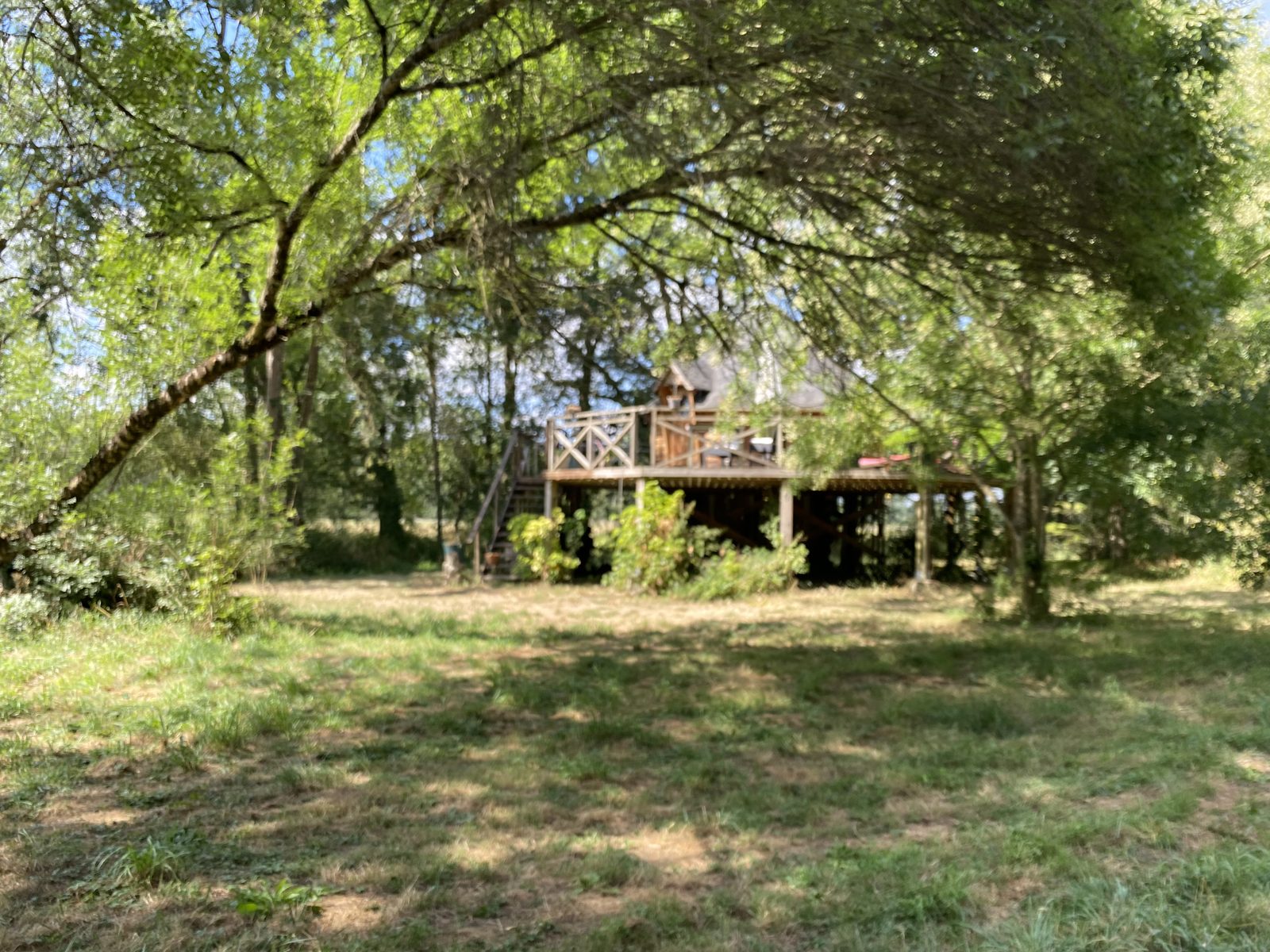
Independent accommodations, including a secluded cabin on the island of the Boire de Bré — a rare setting for eco-tourism and nature stays.
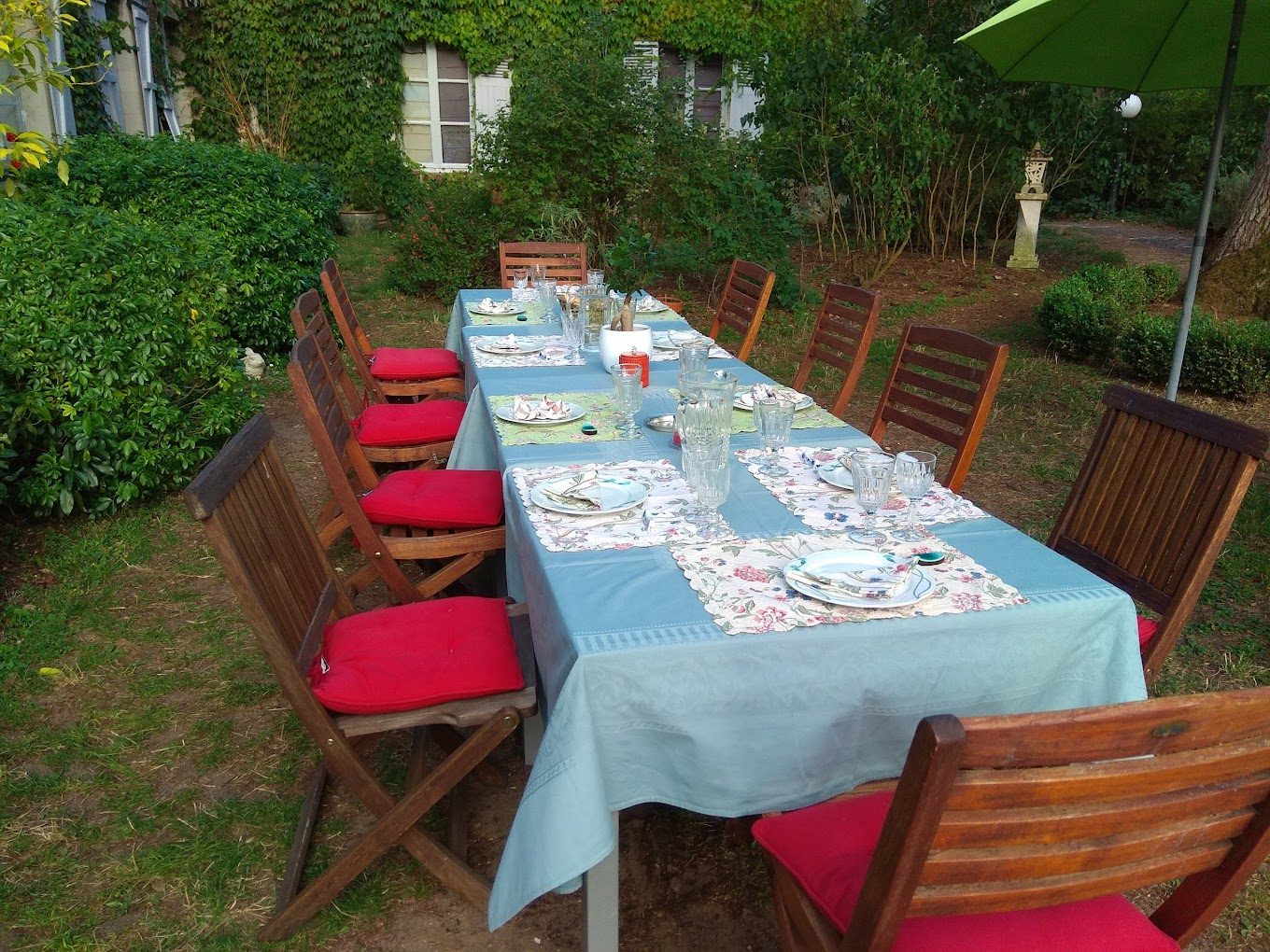
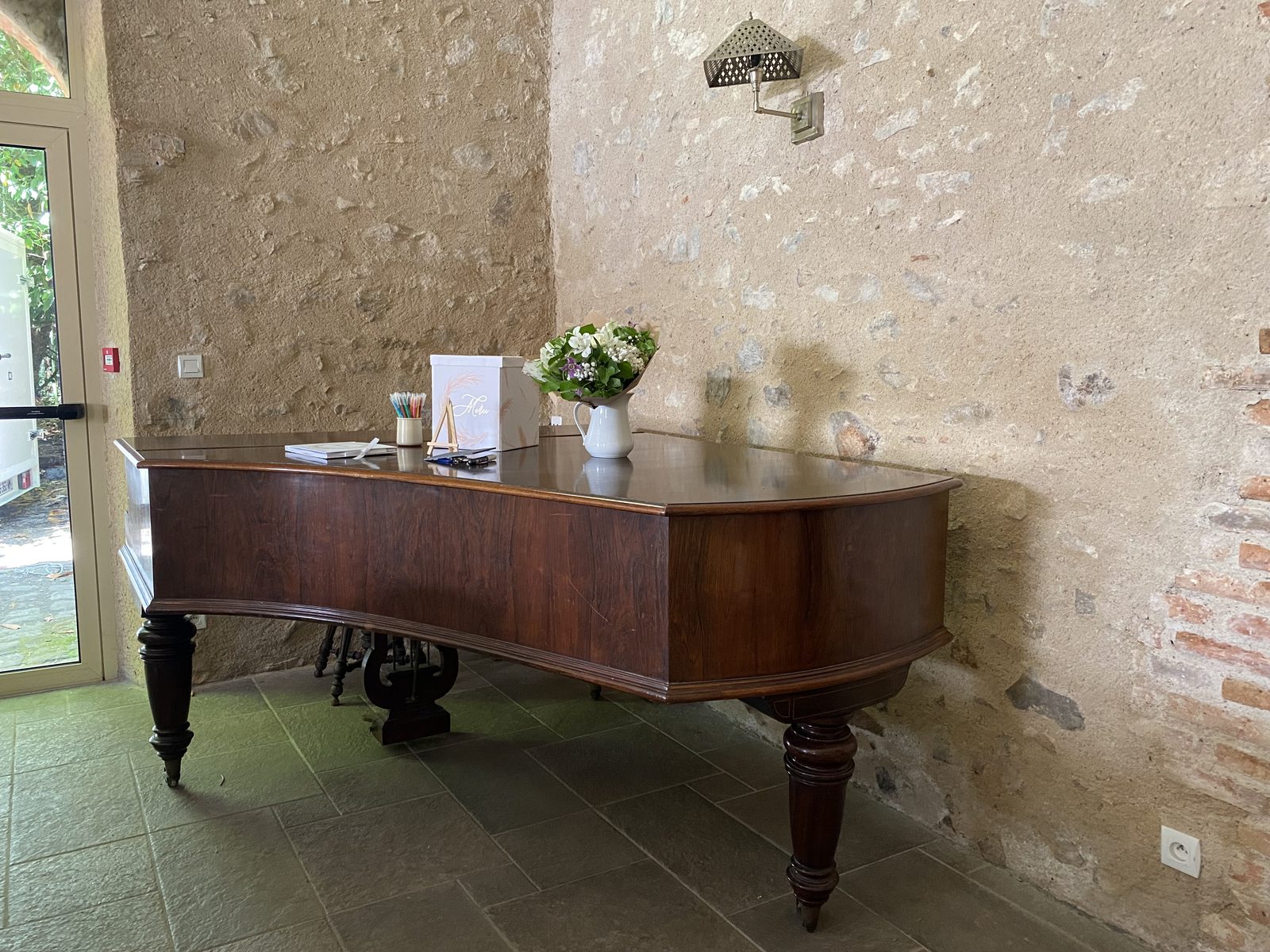
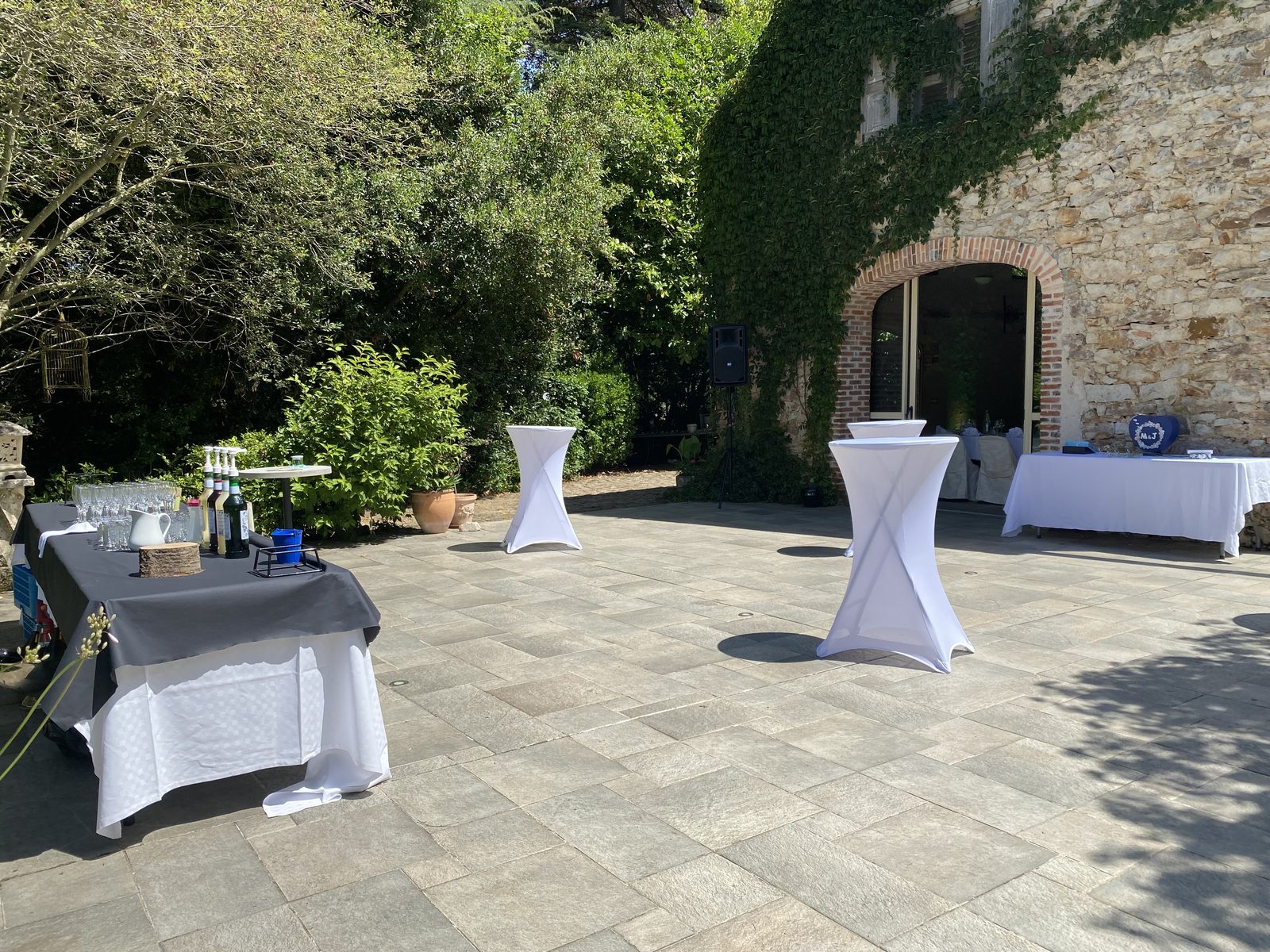
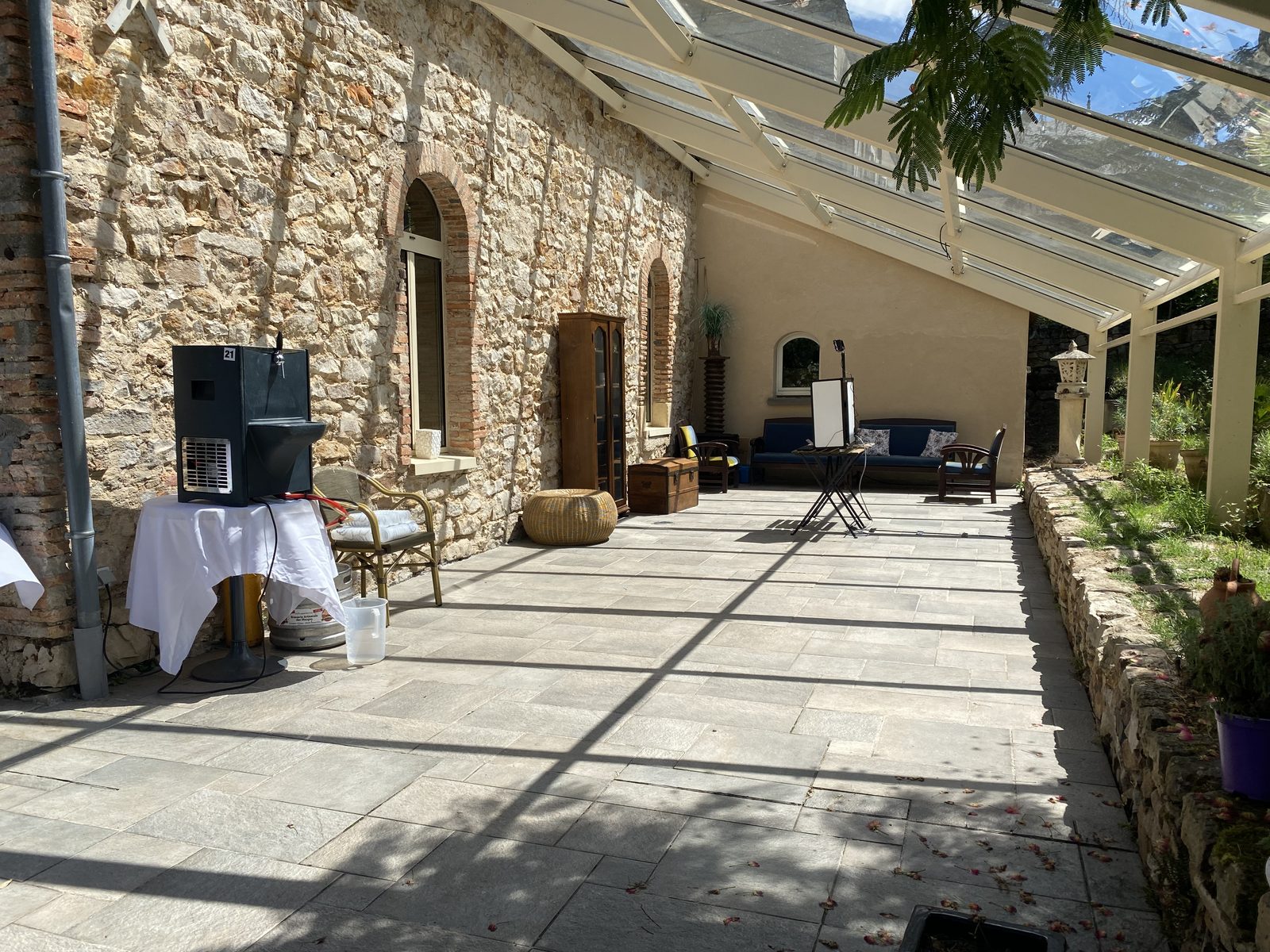
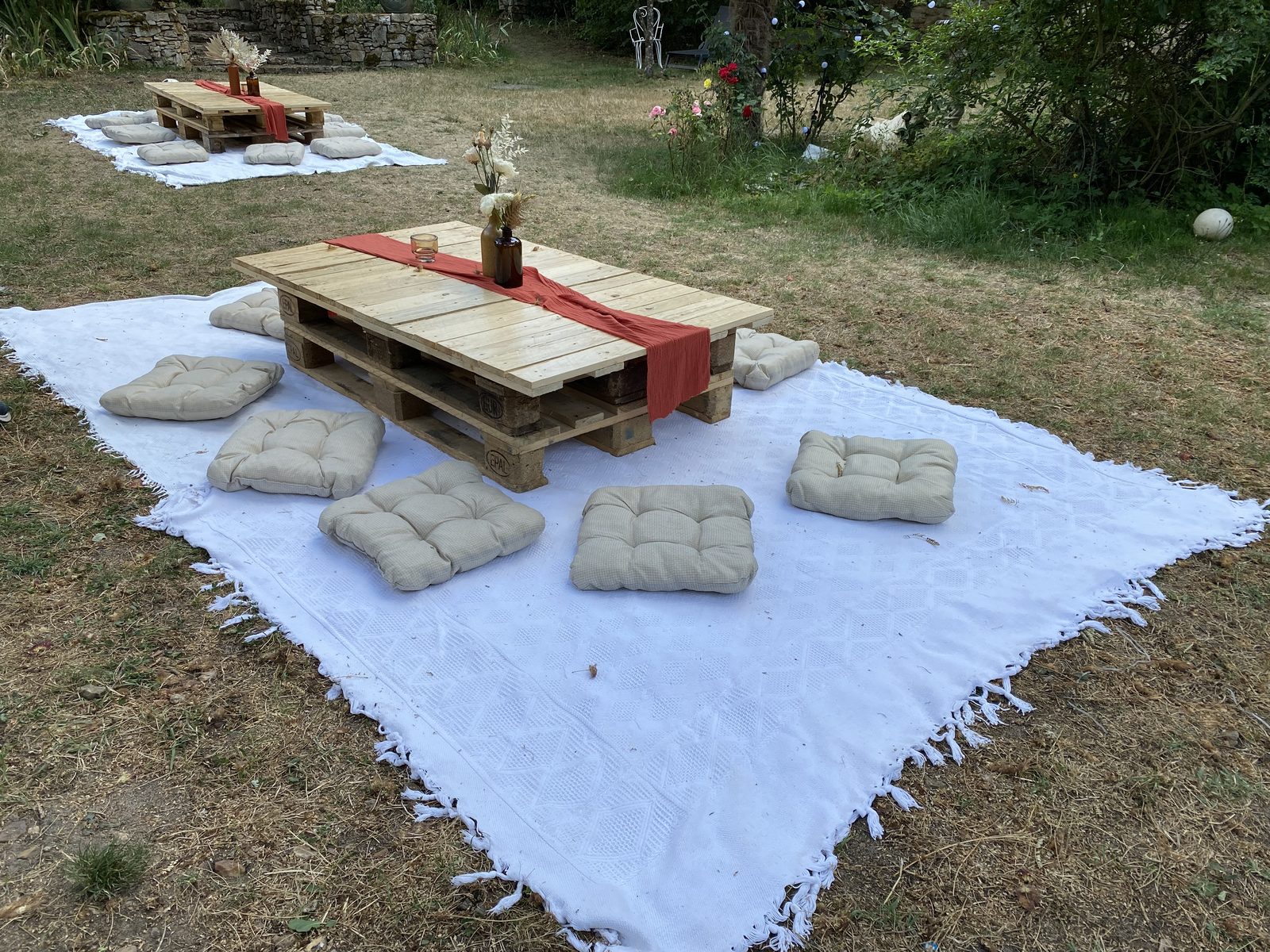
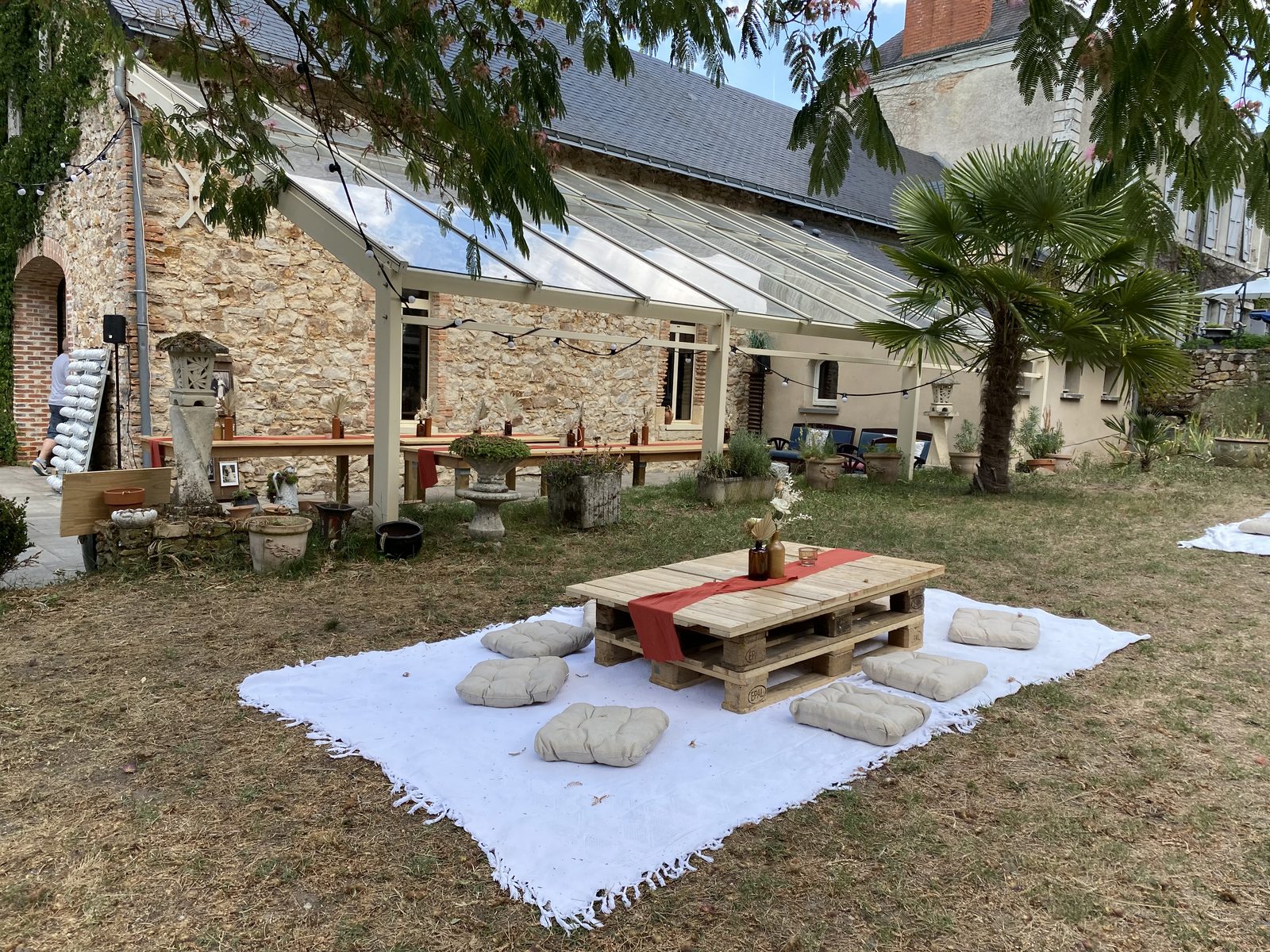
A reception hall, a stone barn and grounds that can host marquees and long tables — weddings, seminars, private events.
A mill on the Loir river, brought back into service in 2012, generating green electricity for around 80 local households.
50,000 m² of land, a canalised river, a location within a cultural and touristic area — real development potential still to be unlocked.
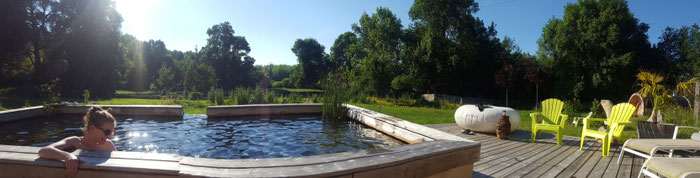
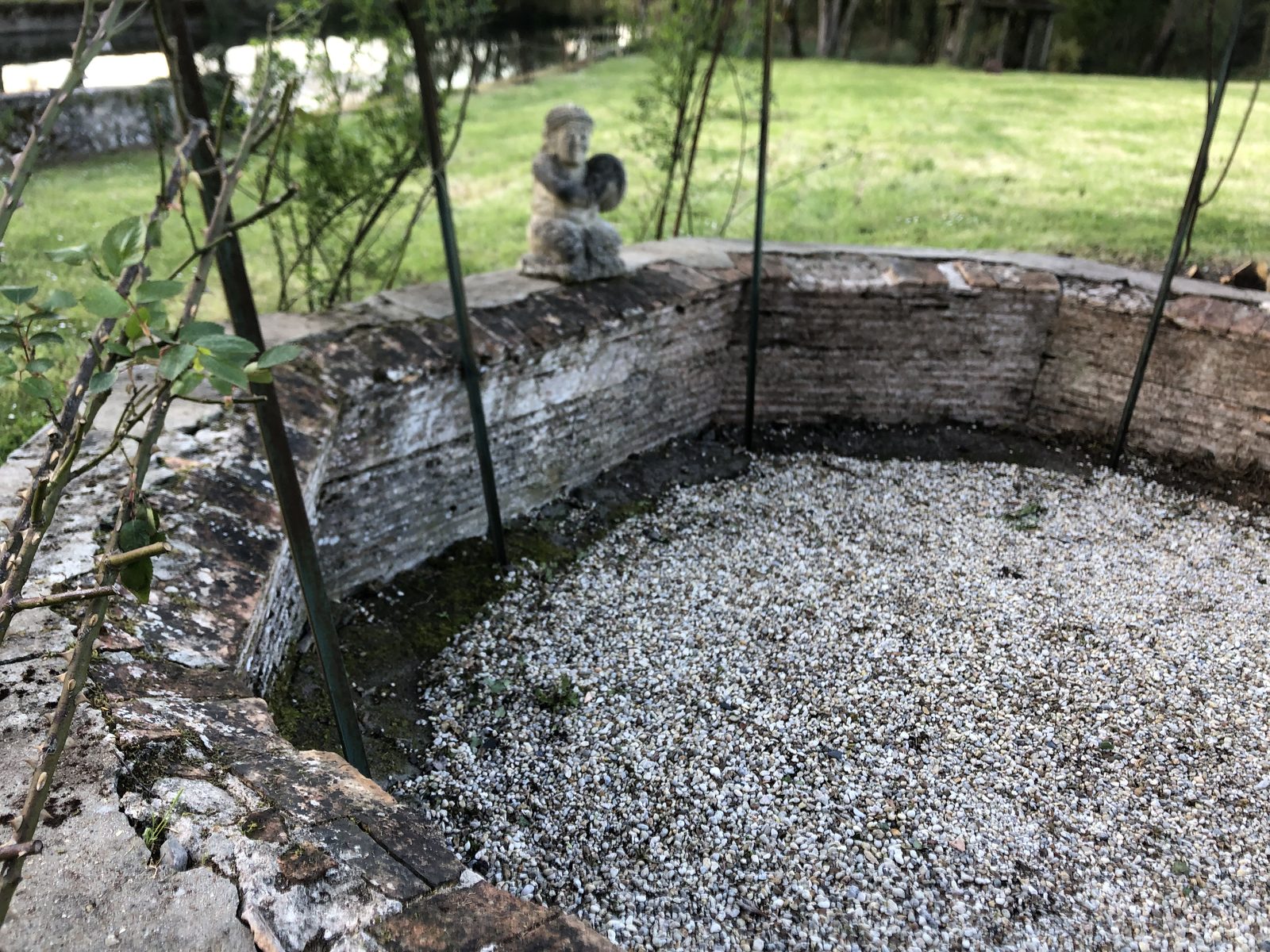
A relaxation space already begun on the estate — natural water pond, sauna, hot bath — in the spirit of a future spa or wellness retreat.
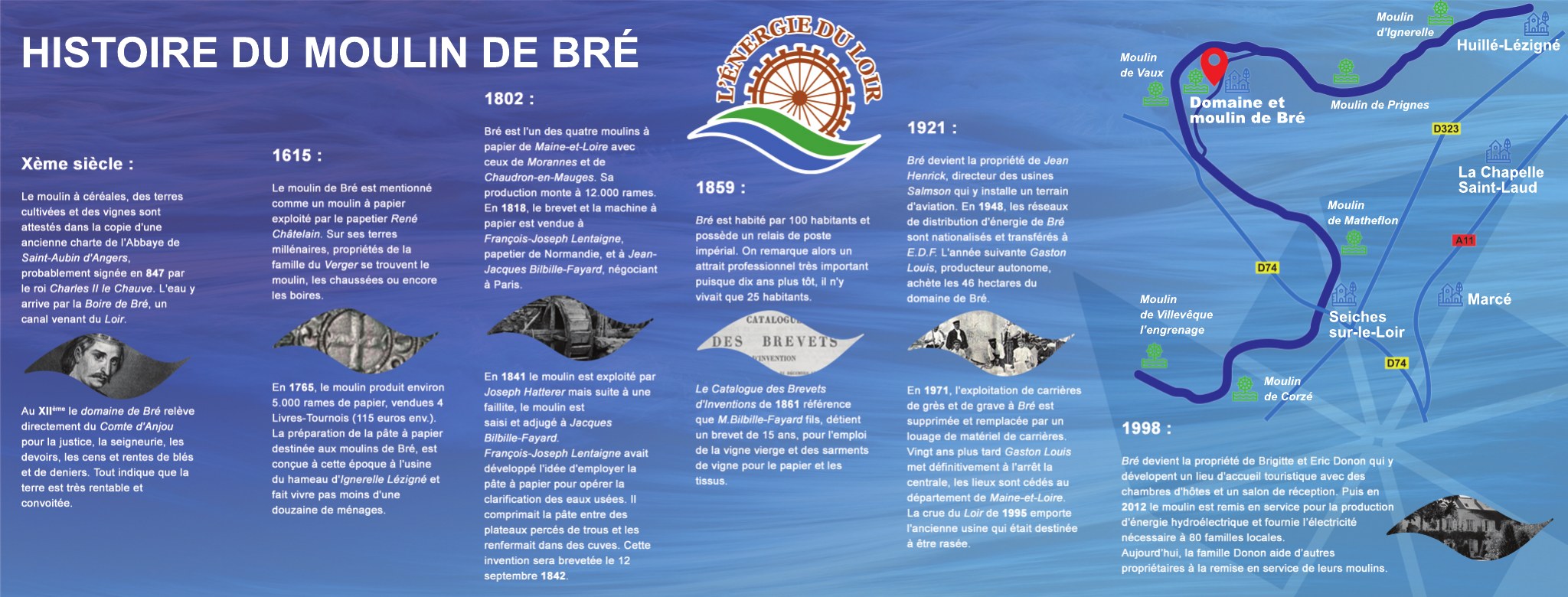
The mill at Bré is first mentioned as early as the 10th century, when it belonged to the lands of the Counts of Anjou. Turned into a paper mill in the 17th century, it supplied paper across the region until the early 20th century, before feeding into the local electricity distribution network.
Since 2012, the Donon family has brought the low-head hydroelectric plant back into service, supplying the electricity needed for around 80 local households: renewable energy, generated by the sheer force of the Loir's water — a rare asset paired with a characterful property.
The grain mill, its land and vineyards are recorded in a copy of an old charter from the Abbey of Saint-Aubin d'Angers, signed by King Charles II the Bald. Water reaches it via the Boire de Bré, a channel fed by the Loir.
The Bré estate falls directly under the Counts of Anjou for justice, lordship, duties, and rents of grain and coin — a highly profitable and coveted piece of land.
The Bré mill is recorded as a paper mill, run by papermaker René Châtelain, on ancient land belonging to the du Verger family.
The mill produces around 5,000 reams of paper, sold for 4 livres tournois (approx. €115) — pulp preparation alone supports no fewer than a dozen households.
Bré is one of four paper mills in Maine-et-Loire, alongside Morannes and Chaudron-en-Mauges; output reaches 12,000 reams. In 1818, the patent and papermaking machine are sold to François-Joseph Lentaigne and Jean-Jacques Bilbille-Fayard, a Paris merchant.
The mill, run by Joseph Hatterer, is seized and awarded to Jacques Bilbille-Fayard. Lentaigne had devised a wastewater clarification process using grapevine, patented on 12 September 1842.
Bré is home to 100 inhabitants and has an imperial post relay — notable, given the hamlet counted only 25 inhabitants ten years earlier.
Bré becomes the property of Jean Henrick, director of the Saimson factories, who installs an airfield there. In 1948, Bré's power distribution networks are nationalised and transferred to EDF; Gaston Louis, an independent power producer, buys the estate's 46 hectares the following year.
Sandstone and gravel quarrying ceases, replaced by equipment rental. The 1995 flood of the Loir sweeps away the old factory, since transferred to the Maine-et-Loire département.
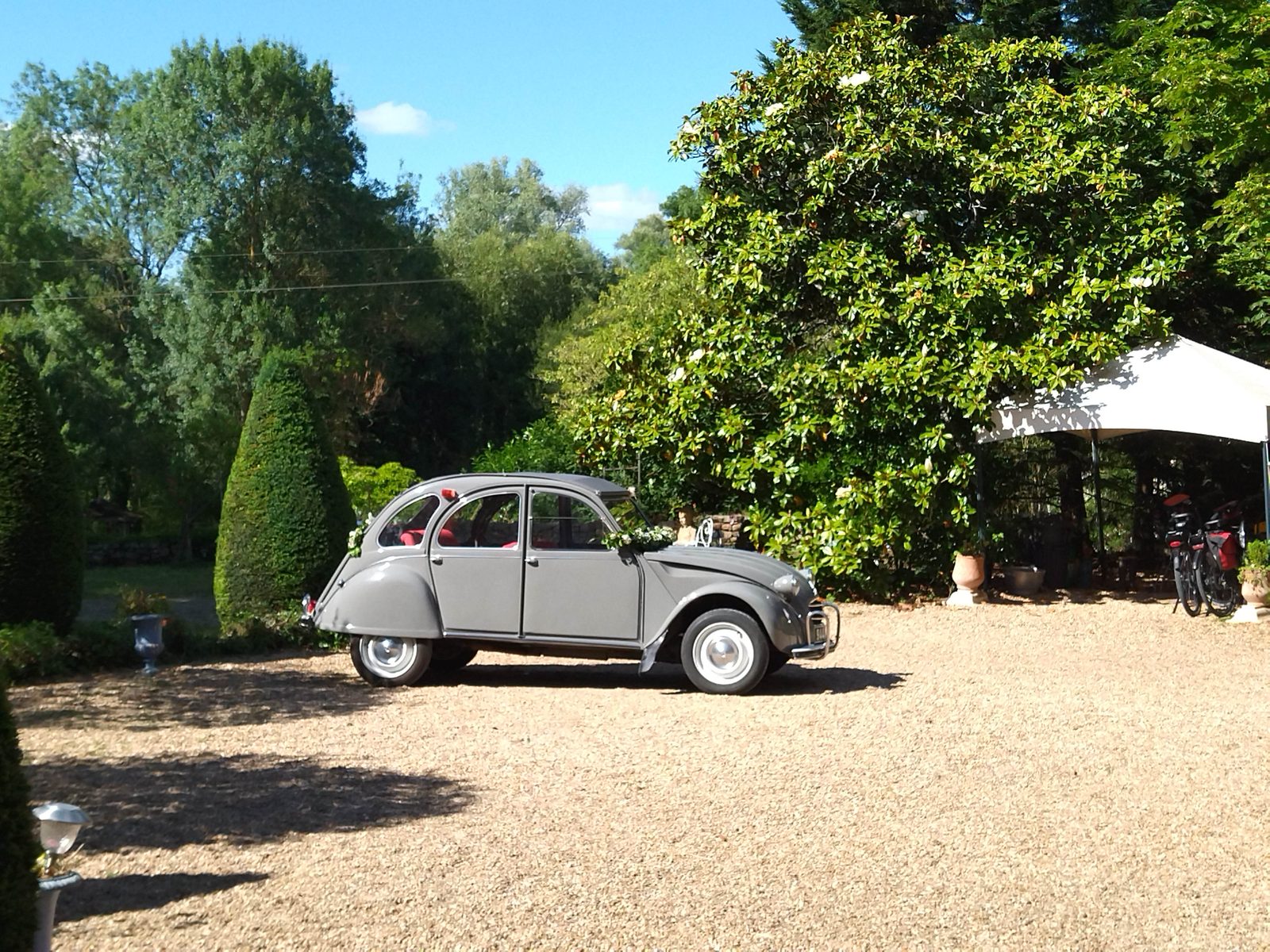
Brigitte and Eric Donon become the estate's owners and develop tourist hospitality: guest rooms and a reception hall.
The mill is brought back into service for hydroelectric power production, supplying the electricity needed for 80 local households. Today, the Donon family helps other owners bring their own mills back into service.
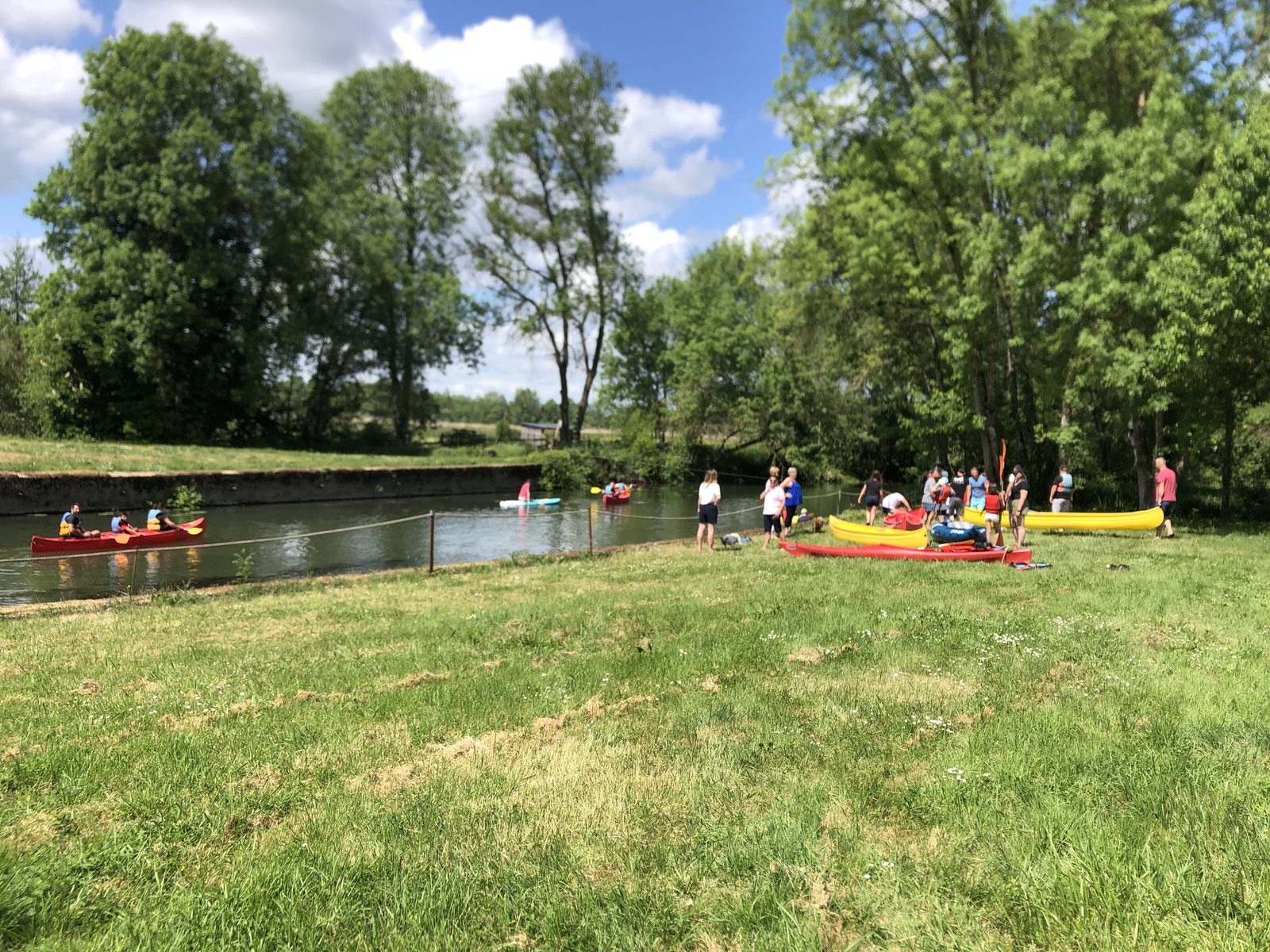
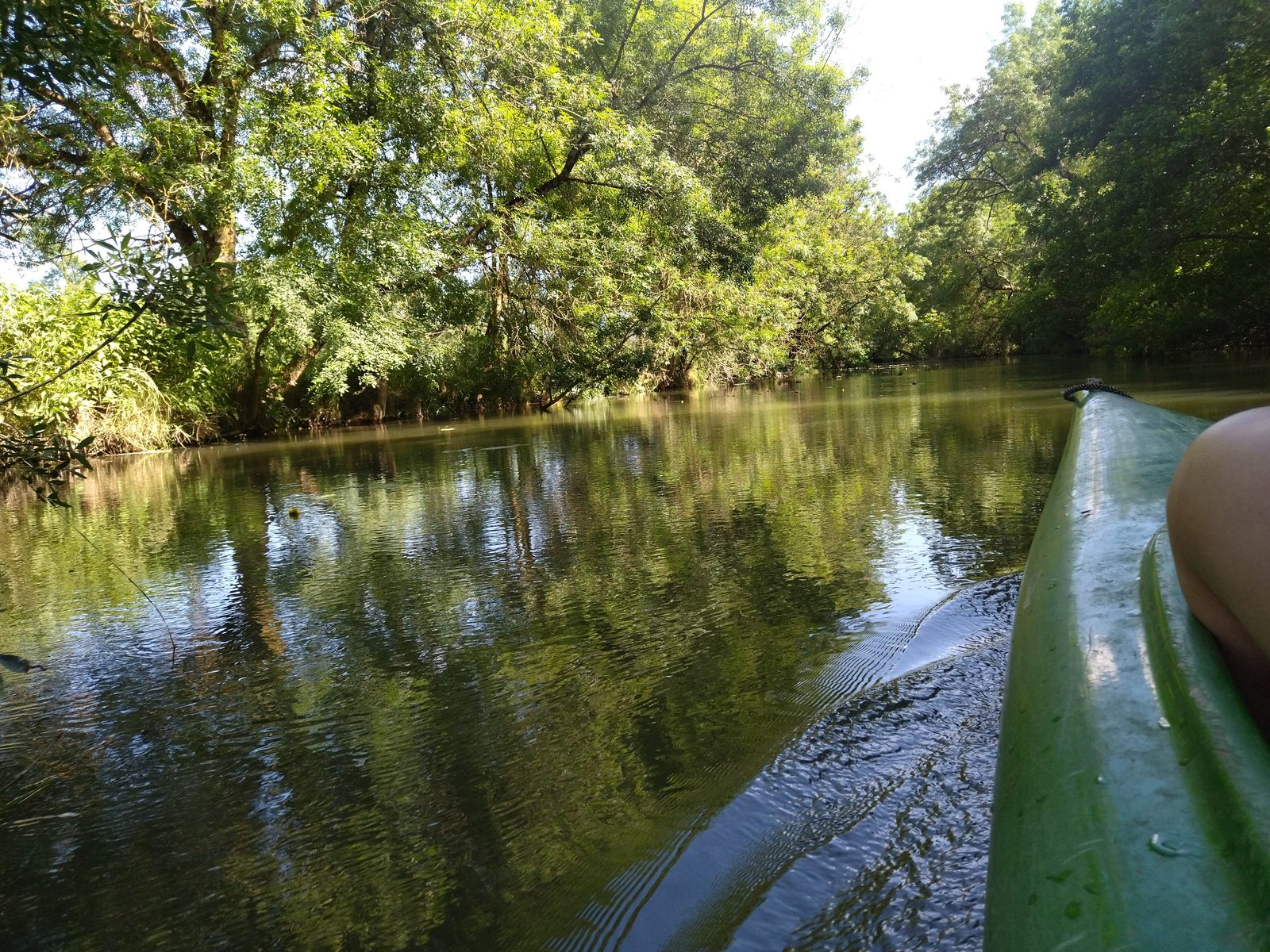
The estate lies in Seiches-sur-le-Loir, within private woodland, on the banks of the Loir — a canalised river ideal for water sports, fishing and walking. The house is not in a flood zone.
Full dossier, estate visit and financial information provided on request to qualified buyers — private individuals, family offices or tourism project developers.